Saturday, November 23, 2024

Fuses in Industrial Automation: Essential Protection for Reliable Systems

 In industrial automation, equipment and systems need protection against electric faults. Possibly one of the most important yet underrated items in this protection process is the fuse. Fuses protect electrical circuits from overloads and short circuits at a very low cost without allowing costly machinery damages and minimization of downtime. In this blog, we’ll see the importance of the fuse in an industrial automation, types, and applications, in which fuses play an important role in reliable and safe operations.

Fuse

What is a Fuse?

A fuse is essentially a protective device which cuts the circuit upon an excess current level. This is done to prevent damage to the equipment. A fuse comprises of a metal wire or a filament, which melts when the excess current flowing through it exceeds its rated capacity. The action of melting breaks the circuit, stopping the flow of current and protecting the rest of the system from further possibilities such as overheating, fire, or component failure.

Industrial Automation Protects motors, sensors, control panels, and other vital system components from electrical faults by using fuses. The most common application of fuses is in series with electrical circuits so that when a surge or fault occurs, the fuse will blow and open the affected circuit.

In high-quality fuses in industrial automation, it means that they protect, extend, and make electrical systems reliable. A high-quality fuse helps protect sensitive equipment from overloads, short circuits, and surges. These eventualities can be very costly in repairing or even a system failure. Choosing the ideal fuses, especially the accurate rating on current and voltage, will put industries safely on guard against unpredictable electrical faults in their machinery, control panels, and electronic components. Good-quality fuses provide quick response times, which means minimizing possible damage from electrical hazards. They are engineered to provide consistent performance over time. They are also designed with advanced materials that enhance durability and reliability, making them suitable for severe industrial environments involving power surges and fluctuations. Whatever the motor, PLC, or transformer, high-quality fuses play a significant role in protecting the safety and efficiency of automated systems.

Why are Fuses Important in Industrial Automation?

  1. Overload Protection: Overloads are those conditions where a circuit carries too much current, leading to overheating, thus potentially causing damage to electrical components, as well as a fire hazard. Fuses provide the necessary limitation on the current to a safe level so that the circuit does not carry more current than it is rated for.
  2. Short Circuit Protection: Faults causing low resistance between two points can cause short circuits. The output current will surge drastically, damaging equipment and a safety hazard may be created. Fuses detect this type of short circuit. They then blow, disconnecting the power so no more damage will be done. Preventing Equipment Damage
  3. Preventing Equipment Damage: Critical industrial equipment such as motors, PLC systems, and control panels are costly to replace or repair. Fuses provide a cheap means to guard these critical systems, avoiding pricey repairs and associated lost time.
  4. Reducing Downtime: Blown fuses indicate that something has gone wrong, and it is at such an early stage. Maintenance teams can now easily identify what has gone amiss and correct the problem before it gets too out of hand. This minimizes downtime in automated systems.
  5. Safety: Fuses add to the overall safety of a workplace by avoiding electrical fires, equipment damage, and electrical shock resulting from poor wiring or faulty components.

Types of Fuses Used in Industrial Automation:

1. Cartridge Fuses: Cartridge fuses provide high current-limiting protection for larger equipment and high-power circuits.

2. Blade Fuses: Flat, rectangular fuses with metal blades, used in low-voltage, low-power applications.

3. Thermal Fuses: Thermal fuses melt when a particular temperature is achieved, thereby protecting against overheating.

4. Resettable Fuses (Polyfuses): Those polyfuses that automatically reset when the overload or a short circuit condition is cleared. Being resettable, they can be used multiple times

5. High-Speed Fuses: Those fuses that blow immediately to safeguard sensitive electronic parts from overcurrents

6. Time-Delay Fuses (Slow-Blow Fuses): Fuses that allow temporary overcurrents without blowing immediately, providing protection against inrush currents.

7. Glass Tube Fuses: Small cylindrical fuses with a transparent glass body for easy visual inspection, used in low-power circuits.

Benefits of Using Fuses in Industrial Automation:

  1. Cost-Effective Protection: Fuses are reasonably priced in comparison to the cost of repair or replacement of costly equipment. By guarding critical components, fuses are a cost-effective means toward ensuring long life and safety.
  2. Rapid Response Time: Fuses respond almost immediately to an overload and short circuit, preventing prolonged harm to machinery and reducing the chances of fire or electrical hazards.
  3. Ease of Maintenance: It is simple and inexpensive to replace a blown fuse. Thus, maintenance is straightforward and less costly. This makes quick troubleshooting with minimum downtime.

Wednesday, November 13, 2024

The role of detectors in high-level industrial automation

 Indeed, high-quality sensors are crucial in industrial automation. This especially reflects how, especially in more complex and sophisticated manufacturing processes, automation systems must be responsive to variable factors in real-time. Advance detectors that will be able to measure and identify specific physical, chemical, or environmental factors became essential. Whatever would be expected-from ensuring consistency in a product, to maximizing system performance, or preventing equipment failure-high-quality sensors form the backbone of modern industrial automation. Such sensors do no more than provide accurate and reliable data for optimizing efficiency, but also ensure safety at reduced time downtime and a smarter, adaptable environment for manufacturing. Here, within this blog, we shall see how these high-tech sensors are making industrial automation different by driving innovation and high precision productivity levels.

What Are Detectors in Industrial Automation?

Detectors in industrial automation are sensors specialized for detecting and measuring specific physical, chemical, or environmental parameters within the process of a manufacturing or production process. Detectors have a significant impact on achieving the efficiency, reliability, and safety in automation systems due to real-time data acquired for monitoring, controlling, and making decisions.

Detectors convert sensed information to an electrical signal, which can then be processed and interpreted by control systems or a Programmable Logic Controller (PLC), or Supervisory Control and Data Acquisition, SCADA system. In return, the data is used to carry out process adjustments, detect faults, raise an alarm, or perform other automated functions needed to ensure smooth running with minimal human intervention.

Key Functions of Detectors:

  1. Monitoring: Detectors are continuously monitoring important variables like temperature, pressure, flow, or position. They can ensure that a production process stays within the optimal ranges. Examples include using temperature sensors to monitor the heat in a furnace or utilizing pressure sensors for monitoring hydraulic systems’ pressure.
  2. Feedback to Control System: The detectors deliver real-time feedback to the automation system that can adjust operational parameters. This opens avenues for production processes to be dynamically optimized.
  3. Quality Assurance: In most industrial applications, the employment of detectors may guarantee product quality. Vision systems might check goods on a production line for defects, while sensors might inspect the dimensions and properties of the material of such products.
  4. Security: Detectors are highly critical for provision of safety within hazardous industrial environments. For instance, gas detectors can sense the presence of harmful gases. Smoke detectors or pressure sensors ensure that the systems will not exceed the limits of safety levels that may lead to accidents or failure of equipment.
  5. Predictive Maintenance: Detectors through continuous measurement of parameters like vibration, temperature, and pressure can identify potential problems with machinery before failure occurs. Predictive maintenance leads to reduced downtime and longer service life.

Types of Detectors:

  1. Proximity Sensors: These detect the absence or presence of objects in a specified range, very common in robotics, line assembling and packaging systems. Proximity sensors detect position without direct contact and are also able to sense movement.
  2. Temperature Sensors: These are necessary controls for processes involving heat and require thermocouples, RTDs (resistance temperature detectors), and even infrared sensors to make sure that the machinery and materials stay within the scope of the preferred temperature.
  3. Pressure Sensors: Pressure detectors measure the pressure of gases or liquids within pipes or vessels. It monitors system functionality and ensures all systems operate safely and in good working conditions, very important in industries such as oil and gas, water treatment, and chemical processing.
  4. Flow Sensors: Flow detectors monitor the rate at which fluids or gases flow through pipes. Flow Sensors are equally crucial in maintaining the proper flow rates within such industries like water treatment, food processing, and chemical production.
  5. Vision Systems and Optical Detectors: These sensors use cameras and optical sensors for the capturing of images and analysis of product quality, dimensions, and orientation. They form an integral part in inspection systems, packaging lines, and robotics.
  6. Gas Detectors: These determine the presence of oxygen, carbon monoxide, methane, and others in different industrial plants. They are utilized to monitor the concentrations of these gases in a firm environment, which is highly essential in petrochemical, mining, and food production.

Detectors are certainly a highly valuable part of high-level industrial automation. They ensure that processes run in a smooth, safe, and efficient manner. From monitoring necessary parameters to enabling real-time adjustments and predictive maintenance, detectors give the data that automation systems have to make smart decisions upon. As automation continues to advance so will the role of advanced detectors, thus making industries more efficient, safe and productive as it has remained as at the epicenter of driving performance improvement worldwide.

Wednesday, November 6, 2024

The Role of Coils in Marine Automation

 Coils play a vital role in marine automation systems, serving as key components in devices such as solenoid valves, relays, and transformers, which are essential for controlling various automated processes onboard. These coils generate magnetic fields when electric current passes through them, enabling the operation of machinery and control mechanisms critical to efficient ship operations. The use of high-quality coils is paramount in ensuring reliability, durability, and optimal performance in the harsh marine environment, where exposure to moisture, salt, and fluctuating temperatures is common. Premium-grade coils are designed to withstand these demanding conditions, reducing the risk of system failures and ensuring consistent functionality of automated systems. This not only enhances the safety and efficiency of marine operations but also contributes to the longevity and reduced maintenance costs of the equipment. The integration of high-quality coils into marine automation systems underscores the commitment to excellence, reliability, and continuous innovation within the maritime industry.

What are Coils?

Coils are simply collections of several wires configured in the shape of loops, which, when an electrical current passes through them, generate the electromagnetic field. This simple mechanism is a basic basis of several critical marine automation processes aboard. Relays and their coils, solenoid coils, and transformer windings are merely three examples of coils formed to meet different requirements in marine automation.

key features of coil in marine automation

  1. High Durability: Marine applications use the coils built to withstanding the hostile environment like that from saltwater, moisture, and temperature variation for long use.
  2. Corrosion Resistance: High-grade coils are engineered with anti-corrosive materials for resistance against corrosion from adverse effects of the marine environment and elongating their lifespan.
  3. High magnetic field generation efficiency: These coils are made to produce a uniform and strong magnetic field, thus ensuring efficient and trouble-free automation operation of devices such as solenoid valves, relays, and transformers.
  4. Compact and lightweight: The coils are compact, light in weight, but stiffer than they are needed in order to fit properly within highly confined marine equipment without killing its functionality.
  5. High Electrical Insulation: For secure operation with minimal chances of malfunction, superior insulation properties prevent short circuits and electrical failures.
  6. Low Power Consumption: Coil design in marine automation shall be such that it could provide the desired level of performance using a minimum amount of power as sufficient power is not possible for onboard power management.
  7. Temperature Tolerance: Superior coils are insensitive to wide temperature fluctuations without degradation in performance, therefore making them suitable for changing conditions prevailing in the marine environment.
  8. Reliability and Stability: Marine automation coils have construction which ensures stable and long-running performance of control systems for critical operations.
  9. Customizability: Coils can also be designed especially to meet specific certain needs of marine equipment, thus being specialized solutions that fit particular operational needs.
  10. Compliance with Safety Standards: This type of coil, designed for marine application, is constructed to the very highest safety and performance standards with full regard to the maritime regulations it may be associated with, offering a very secure marine environment onboard.

Applications of Coils in Marine Automation

  1. Solenoid Valves
    Solenoid coils play an important role in fluid system controls. In marine automation, solenoid valves control fuel, water, and other fluids’ movement. After electric current is applied to the solenoid coil, it produces a magnetic field that moves the valve either open or closed, fully regulating fluid dynamics.
  2. Relay Systems
    Relays are applied to switch power circuits of higher power using low-power signals. The coils in relays allow the generation of a magnetic field upon energizing that closes or opens contacts to control much larger electrical loads. This process is vital in automation for navigation lights, engine start and stop sequences, and alarm systems aboard.
  3. Transformers
    Coiled transformers are used to transform electrical energy from one voltage level to another. It helps distribute power throughout the vessel. It is indeed necessary that reliable voltage transformation is ensured to supply power to the navigation systems, communication equipment, and safety mechanisms.

Safety and Reliability: Coils for Marine Automation

In marine automation, coils ensure safety through reliable performance in many critical applications. In emergency situations, for example, the response of the solenoid-operated system can prove to be of use in saving one’s life. Proper coils also reduce electromagnetic interference, making the chances of system failure lower and operationally safer.

Maintenance and Best Practices

Coil integrity must be maintained at all times to ensure uninterruptible operation. Routine checks and regular cleaning to avoid salt and moisture buildup and wear and overheat become some of the best practices. Thus, damaged coils and coil degradation should be replaced as soon as possible in order not to fail the system and incur costly downtime.

Monday, November 4, 2024

The Role of Amplifiers in Industrial Automation: Enhancing Signal Strength and Precision


Introduction:

In industrial automation, a high quality amplifier ensures boosting of such signals across various control systems for transmitting data accurately without loss. A high-quality amplifier in amplifying weak signals from sensors and controllers provides the most necessary action of sending it over long distances without degrading. This is particularly crucial in high-noise electrical environments, where a quality amplifier would filter out interference from signals and maintain the clarity of signals to achieve sharp operations. From motor control to sensor data conditioning, high-quality amplifiers enhance the efficiency, accuracy, and stability of the system and are therefore an essential part of modern automated processes.

What is an Amplifier?

An amplifier is an electronic device that increases the strength, or amplitude, of a signal, be it a voltage, current, or power signal. This means that an amplifier can take a very weak input signal to a stronger output signal while maintaining all its characteristics at a greater magnitude. General-purpose amplifiers are used in most audio systems for low-level sound signal amplification, in communication systems for boosting signals over long distances, and for boosting control signals for motors, sensors, and other automated equipment.

Amplitude amplifiers are utilized significantly in industrial automation because they ensure that the signal would not degrade in integrity over long cable lengths or where electrical noise may get superimposed over it, resulting in distortion. It ensures the precise control and accurate reading, which plays an important role in the reliable automation and systems’ efficiency in achieving their objectives.

Types of Amplifiers:

  1. Operational Amplifiers (Op-Amps): These are high-gain voltage amplifiers with differential inputs used for many functions, which include amplification, filtering, and signal conditioning. The operational amplifier amplifies the difference between two input signals and can be very versatile in electronics.
  2. Power Amplifiers: These are designed to offer high power output to drive large loads, such as speakers or motors, through boosting both current and voltage.
  3. Servo Amplifiers: Control servo motors where the position, speed and torque are controlled according to feedback from the system through dynamic modification of power to offer high precision motion control.
  4. Current Amplifiers: Ample signal with negligibly small alteration in its voltage for such applications demanding a high current.
  5. Instrumentation Amplifiers: Low noise, high precision and high output amplifiers to preserve the integrity of the signal in sensitive applications.
  6. Audio Amplifiers: Amplifies the audio signals to the frequency within the audible range; they allow the provision of a high fidelity audio output with negligible distortion.
  7. RF Amplifiers: They amplify the frequency between MHz and GHz in RF frequency to be used for various applications such as wireless communications, broadcasting, etc. It is used for several applications of radar.
  8. Voltage Amplifiers: Amplifiers used to increase the level of voltage in a signal that will be used in some form of further processing or applied as driving power in another circuit.

Key Functions of Amplifiers:

  1. Amplification: Amplifiers strengthen the weak signal so that it can be transmitted through the automated systems for long distances without loss of signal. This feature is required in order to maintain the clarity of transmission among sensors, controllers, and actuators in the vast industrial environment.
  2. Noise Suppression: Electrical noise is a problem in industrial environments because it adversely affects signal accuracy. Amplifiers eliminate noise so that signals are cleaned and clear for reliable data transmittance and control.
  3. Stabilization and Control: Amplifiers stabilize signals, thus preventing fluctuations that could disrupt operations. In specific applications involving motor speed, position, or torque control, this stability is crucial as consistent signals ensure smooth and accurate machine performance.
  4. Power Adjustment: Amplifiers control power levels to meet the requirements of various components. For instance, power amplifiers offer high output power to drive motors or actuators, thus ensuring that these devices receive enough power to function effectively.
  5. Signal Conditioning: In sensor systems, amplifiers condition and enhance signals so that they can be processed. Through signal amplitude alteration and filtering out anomalies, amplifiers ensure that proper data acquisition and processing are made possible.
  6. Support for Long-Distance Transmission: Amplifiers ensure that the signal strength is not affected even if a long cable run is involved, and thus data or control commands are not lost on their way to destinations. This is a function of high importance in large industrial environments where signals need to cover large distances.
  7. Precise Measurement: Amplifiers, particularly instrumentation amplifiers, amplify weak sensor signals in measurement applications to enhance the accuracy of monitoring temperature, pressure, or other critical parameters in industrial processes.

Thursday, October 24, 2024

The Essential Guide to Meters in Industrial Automation

 Introduction:

Meters in industrial automation are crucial devices designed to accurately measure and monitor a wide range of parameters, such as pressure, temperature, flow, voltage, and current. They provide real-time data that ensures precise control of processes, enabling operators to maintain safety, optimize performance, and prevent malfunctions. In industrial settings, where efficiency and reliability are paramount, meters serve as essential tools for maintaining consistent operations. With their ability to detect and display vital measurements, meters not only enhance process stability but also support automated adjustments, making them integral to modern industrial systems.

What are Meters in Industrial Automation?

Meters in industrial automation are measurement devices used to monitor, display, and control various parameters essential for efficient and safe operation in industrial systems. They measure key variables such as pressure, temperature, flow, voltage, and current, providing accurate, real-time data that allows operators and automated systems to maintain process stability and efficiency. By ensuring that systems operate within defined limits, meters help prevent equipment failures, optimize performance, and enhance safety. Meters can range from simple analog gauges to advanced digital meters, which often integrate with control systems for automated adjustments and improved precision.

Types of Meters Used in Industrial Automation:

  1. Pressure Meters

Pressure meters, also known as pressure gauges or transducers, are used to measure the pressure of liquids or gases within industrial systems. They are critical for monitoring fluid flow, hydraulic systems, and pneumatic processes, ensuring that pressure levels remain within safe operating limits. These meters help prevent potential damage caused by over-pressurization or leaks, maintaining system efficiency and safety.

2. Flow Meters

Flow meters are designed to measure the flow rate of liquids, gases, or steam within pipelines and processing systems. They are essential for accurate flow control in industries like oil and gas, water treatment, and chemical processing. Flow meters ensure that fluids move at the desired rates, optimizing production processes, reducing waste, and ensuring the consistent quality of outputs.

3. Temperature Meters

High-quality temperature meters, or thermometers, are essential tools for gauging the temperature of processes, equipment, or materials in industrial settings. These advanced meters offer precise and reliable measurements, helping to maintain optimal operating conditions, prevent overheating or freezing, and ensure consistent product quality. High-quality temperature meters are indispensable in applications such as HVAC systems, chemical reactions, and thermal management, where accurate monitoring is crucial for supporting process efficiency and safety. With their superior accuracy and durability, they ensure seamless performance in even the most demanding industrial environments.

4. Voltage Meters

Voltage meters measure electrical voltage in circuits, ensuring the proper operation of electrical equipment and systems. They help monitor electrical performance, prevent voltage fluctuations, and protect equipment from potential damage caused by overvoltage or undervoltage conditions. Voltage meters are commonly used in automation control panels, power distribution, and electrical maintenance.

5. Current Meters

Current meters, or ammeters, are used to measure the flow of electrical current within a circuit. They ensure that current levels are maintained within specified limits, preventing overloads and supporting proper load distribution. Current meters are vital in monitoring motor performance, electrical installations, and energy consumption, contributing to system reliability and safety.

Key Factors to Consider When Choosing Meters for Industrial Automation:

1. Accuracy and Precision
Accuracy is critical in industrial automation, where even small measurement errors can affect process quality and safety. When choosing a meter, ensure it meets the required accuracy standards and provides precise readings for the specific parameter being measured, whether it’s pressure, temperature, flow, voltage, or current.

2. Measurement Range and Sensitivity
Meters must be selected based on their ability to handle the expected range of measurements. A meter should not only measure within the required range but also be sensitive enough to detect minor fluctuations that could impact performance or safety. Choose meters that cover the full range of process conditions to ensure effective monitoring and control.

3. Durability and Resistance
In industrial environments, meters are often exposed to harsh conditions like temperature extremes, vibrations, moisture, chemicals, and dust. Select high-quality meters that are built to withstand these conditions. Look for features like corrosion resistance, rugged enclosures, and protection ratings (e.g., IP ratings) to ensure long-lasting performance.

4. Compatibility and Integration
Meters should be compatible with existing automation systems, including sensors, controllers, and data acquisition systems. Ensure that the meter can integrate seamlessly with communication protocols (e.g., Modbus, HART, Profibus) to support data exchange and automated control. Compatibility minimizes downtime and facilitates easy installation.

5. Response Time
Quick response times are essential for real-time monitoring and control, especially in fast-paced industrial processes. When choosing a meter, consider how quickly it can detect and display changes in the measured parameter, ensuring timely adjustments and minimizing potential risks.

6. Calibration and Maintenance Requirements
Meters need regular calibration to maintain accuracy over time. Choose meters that offer easy calibration procedures and minimal maintenance requirements to ensure they deliver consistent performance. Calibration schedules, ease of access, and support for in-situ calibration should be considered when selecting meters for automation systems.

7. Display and User Interface
A clear and easy-to-read display is vital for efficient monitoring. Digital displays with backlighting, large digits, and intuitive interfaces make it easier for operators to read measurements, especially in low-light or high-stress situations. Some meters also offer remote monitoring capabilities, allowing users to access data through digital dashboards or mobile apps.

8. Cost-effectiveness
While cost is an important factor, it’s crucial to balance the initial investment with the meter’s performance, reliability, and maintenance costs. High-quality meters may have a higher upfront cost but often provide better long-term value due to their accuracy, durability, and reduced need for repairs or replacements.

9. Compliance with Industry Standards
Ensure that the chosen meters comply with relevant industry standards and regulations, such as ISO, ANSI, or CE certifications. Compliance guarantees that the meter meets safety, performance, and quality requirements, ensuring reliable performance in industrial automation systems.

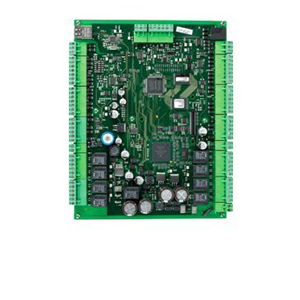
The Role of PCBs in Revolutionizing Industrial Automation

  The industrial revolution, characterized by fast technology changes, has created modern manufacturing and production on its backbone. What...